Inhouse Training Delivery | Business Planning & Financial Planning for Commercial Banking at BIDV
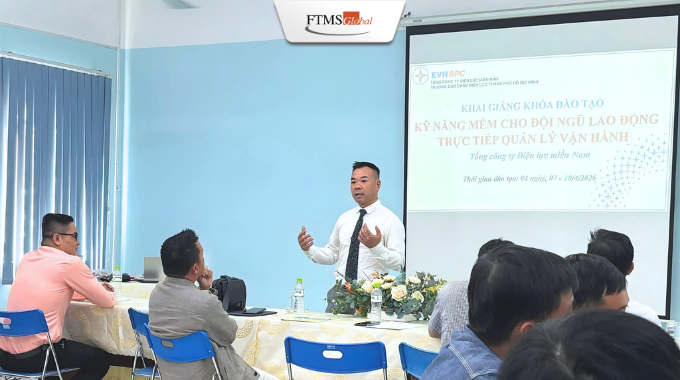
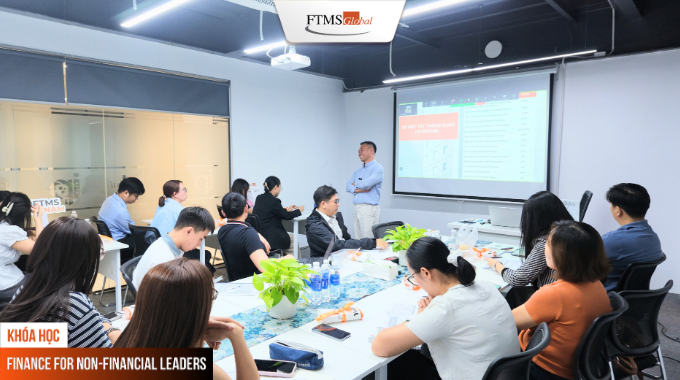
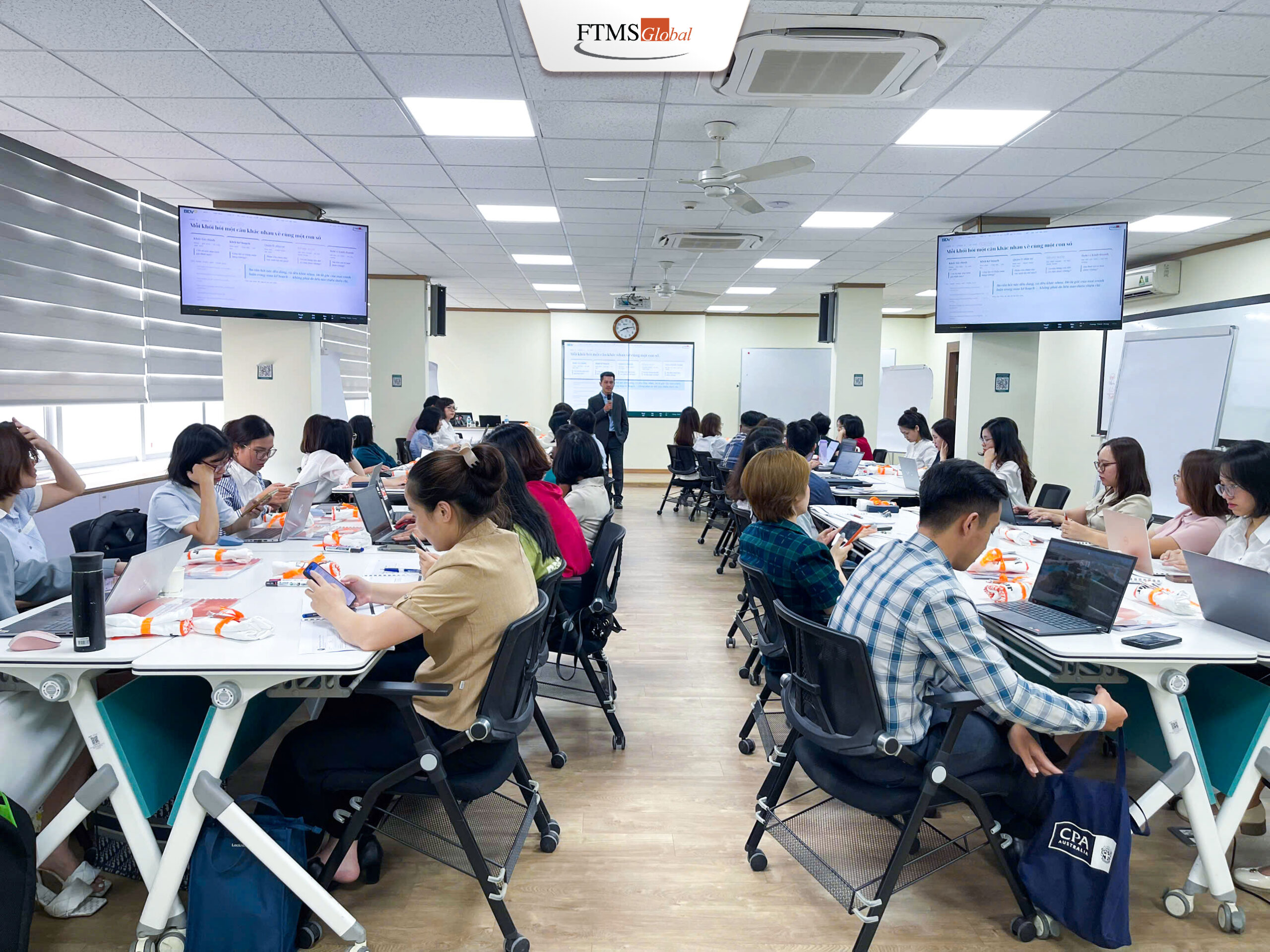
On September 11–12, 2026, FTMS Global delivered the Inhouse training program “Business Planning and Financial Planning for Commercial Banking” for Joint Stock Commercial Bank for Investment and Development of Vietnam (BIDV), led by Truong Thanh Trung, FCCA.
What stood out about the program was not simply the presentation of professional knowledge, but the approach of enabling participants to change assumptions, test different scenarios, and directly observe how each decision impacts the bank’s overall plan. This reflects FTMS Global’s approach to corporate training solutions for professionals who already have a strong technical foundation and seek to further develop their analytical, collaboration, and decision-making capabilities.
1. Key Challenges in Business Planning and Financial Planning for Commercial Banking
In banking operations, business planning and financial planning are not the responsibility of a single department. Decisions related to growth, profitability, funding, investment, and capital adequacy are often closely interconnected.
The program therefore focused on teams directly involved in analysis, planning, and decision support, including the ALCO Support Division, Planning Division, Investment Management Division, and Finance & Accounting Division.
As observed after the program, participants came from different areas of work and were often responsible for individual stages of the overall planning cycle. By working together on a common model, participants gained a clearer understanding of how a decision made by one department is translated into figures and impacts other departments.
This is also a key capability that Inhouse training for banks should aim to develop: not simply adding isolated knowledge, but creating a “common language” that enables different departments to view the same business and financial picture.
2. The Program Was Designed Around the Four Steps of the Planning Cycle
The course was delivered over 2 days with 4 sessions, centered around a single simulated banking business model. The model was gradually unlocked through four steps, corresponding to the process from input analysis to management decision-making.
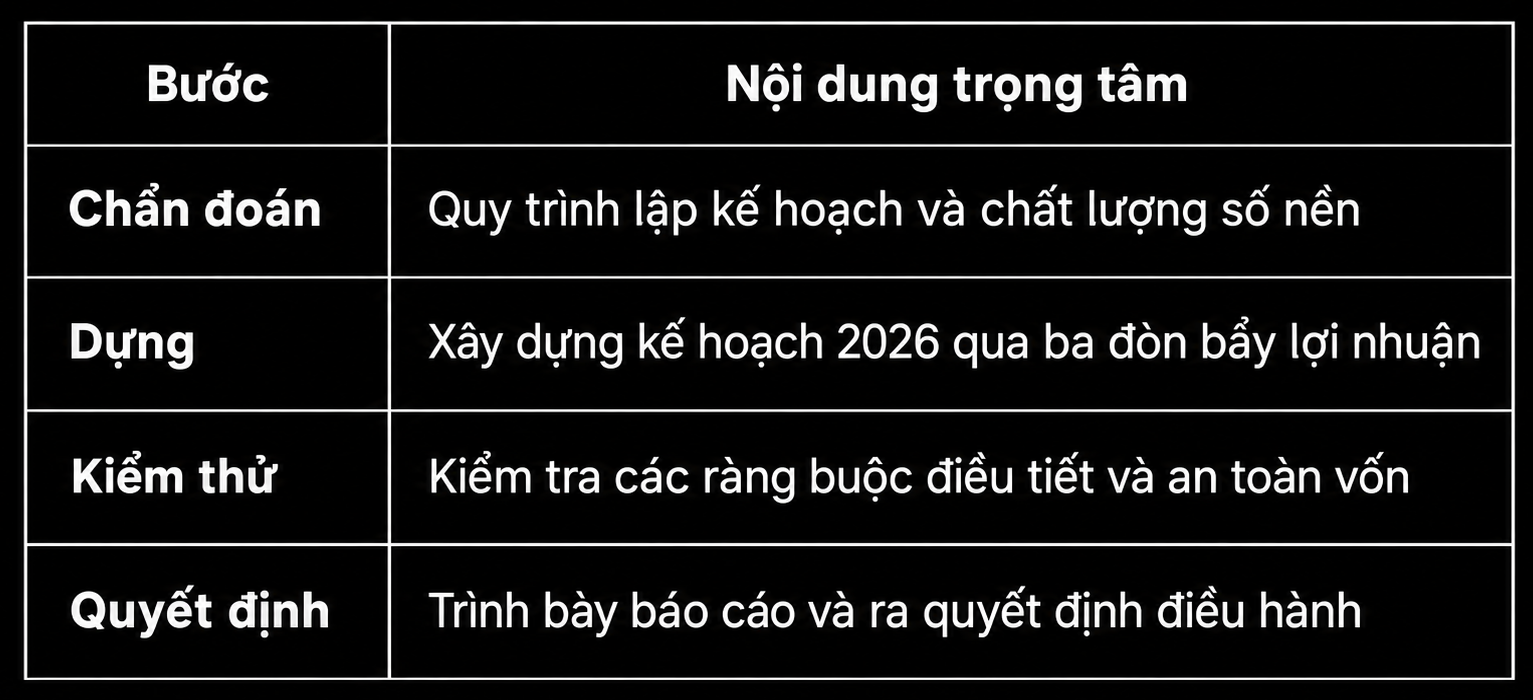
This structure enabled participants to avoid approaching each topic as an isolated subject. Instead, every component was placed in relation to the overall planning cycle.
3. Business Simulation – A Distinctive Feature of the Inhouse Training Program
Rather than using training materials in a linear presentation format, the program was designed around an interactive model that participants could actively operate and work with.
Participants could change assumptions, observe the results immediately, and track how the effects flowed into other parts of the plan. Throughout the two-day program, the same model was used consistently, allowing participants to gradually work through the cycle of diagnosing issues, developing options, testing scenarios, and making decisions.
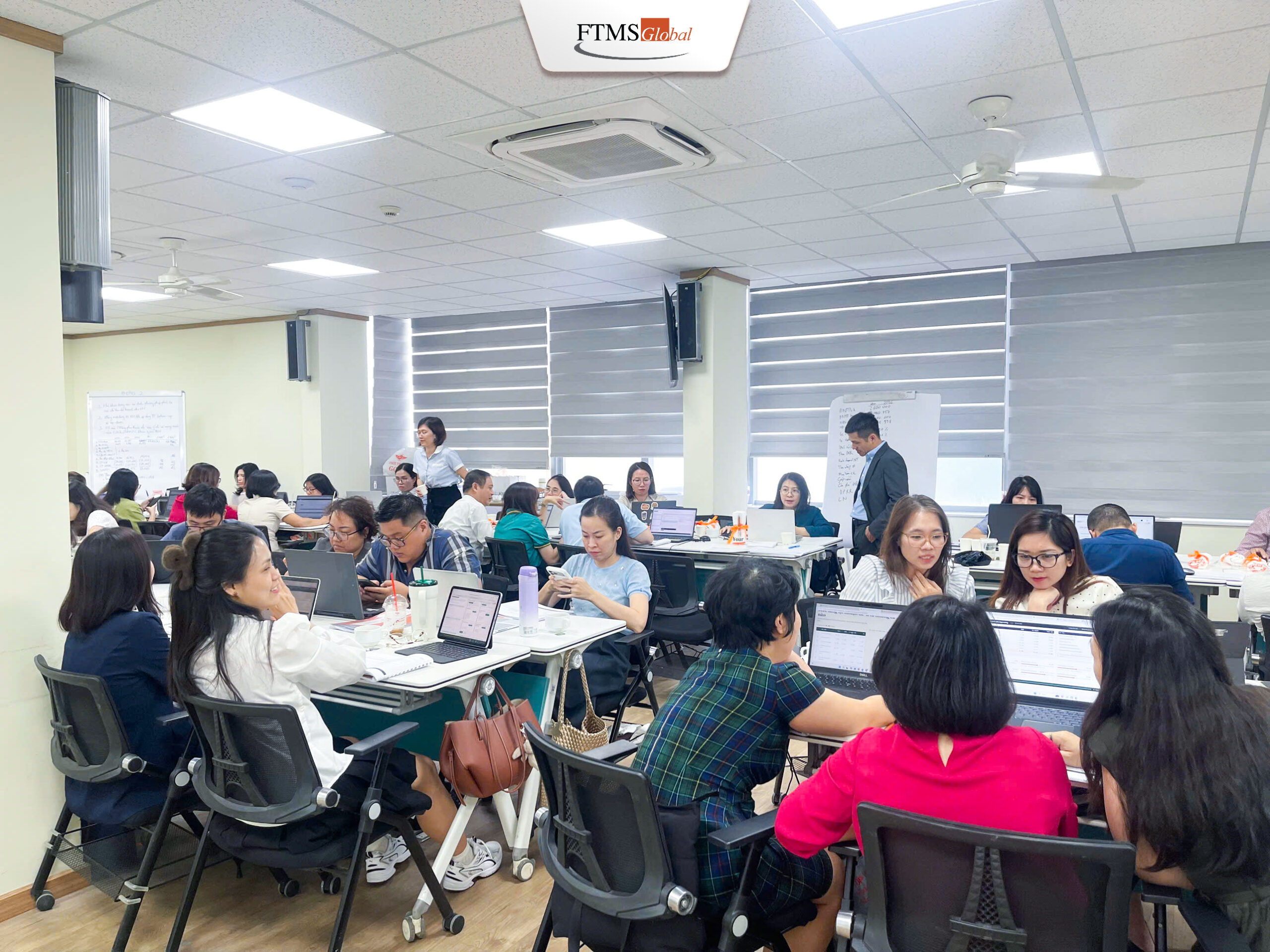
The classroom experience also showed a clear increase in engagement during activities where participants directly worked with the model, changed assumptions, tested scenarios, and compared results. For participants with a strong professional background, the instructor’s report recommended increasing the proportion of hands-on model-based activities while streamlining sections that mainly revisit professional knowledge.
4. Three Key Benefits Participants Can Gain from the Simulation-Based Approach
- First, seeing the bigger picture rather than individual workstreams. When multiple departments work on the same model, the relationship between business decisions and financial outcomes becomes more tangible and easier to understand.
- Second, the ability to test and compare multiple scenarios more quickly. When the entire cycle is built into a model that can be run interactively, participants can change assumptions, assess the consequences, and compare results directly. According to the instructor’s assessment, this capability can be transferred to practical work, particularly during planning processes that require multiple rounds of discussion and adjustment.
- Third, expanding the mindset from using tools to building tools. The model used in the course was developed with the support of AI. During the training, participants showed strong interest in learning how to build similar systems themselves, from identifying the starting point and using AI to preparing data and structuring the model.
5. From a Training Course to an Inhouse Training Solution Built Around Real Business Challenges
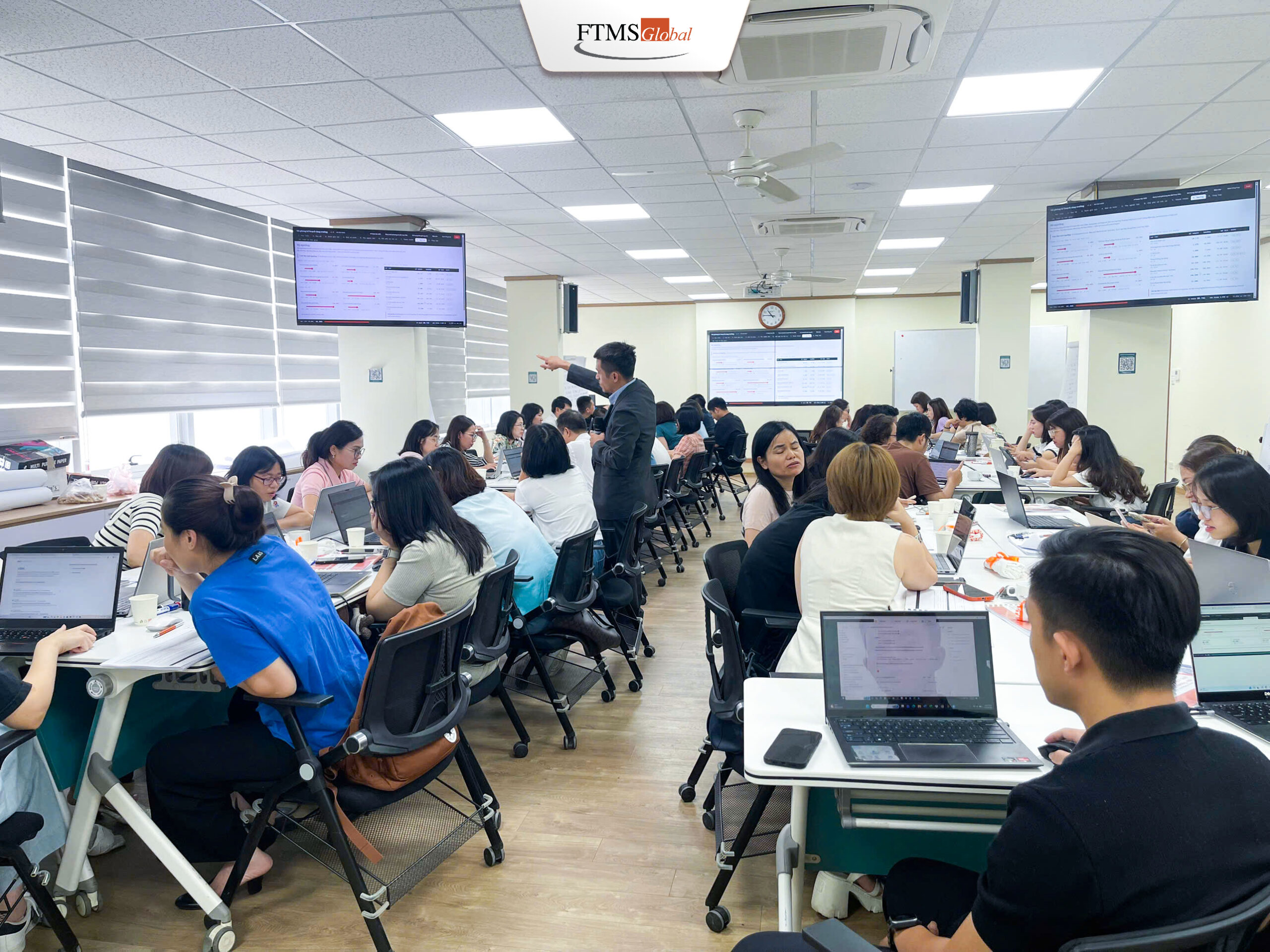
The value of training is no longer simply about providing as much knowledge as possible. More importantly, it is about creating an environment where different departments can analyze the same business challenge, test different decisions, and see the relationship between business choices and financial outcomes.
This is also the approach FTMS Global applies when developing Inhouse training programs: starting with the business challenges and capabilities the organization needs to improve, then selecting appropriate content, scenarios, and delivery methods instead of applying a fixed program to every organization.
6. Inhouse Training Solutions Can Start from the Business Challenges Your Organization Is Facing
If your organization is looking to strengthen capabilities in planning, financial analysis, performance management, or cross-functional collaboration, FTMS Global can work with your team to discuss your training needs and develop a suitable Inhouse training program.